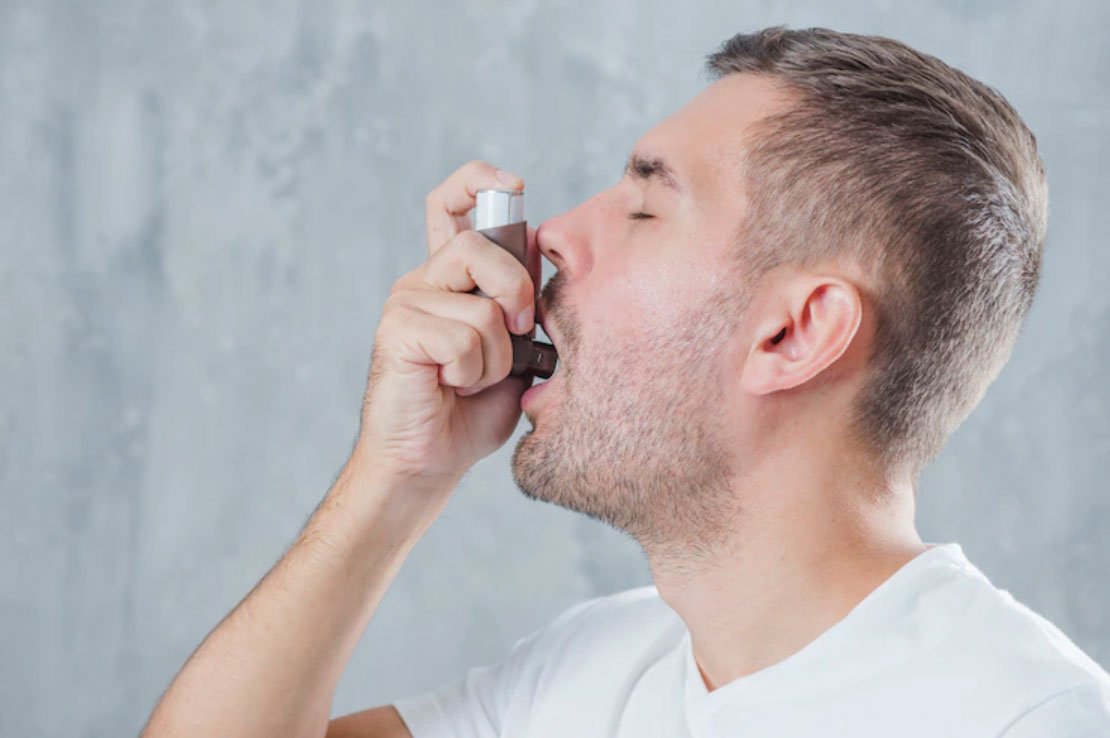
Asthma is a long-term condition in which the airways become inflamed and narrow, making it difficult to breathe. Symptoms often include coughing, wheezing, chest tightness, and shortness of breath, which may worsen during exercise, infections, or exposure to dust, smoke, or allergens. With proper treatment — such as inhalers, medications, and lifestyle control—most patients can manage symptoms effectively and live a normal, active life.
For advanced or recurrent cases, additional tests like lung function assessments, allergy evaluations, and chest imaging may be recommended to identify triggers and fine-tune treatment. With consistent follow-up, proper medication use, and awareness of early warning signs, most patients can prevent severe flare-ups and maintain long-term respiratory health.
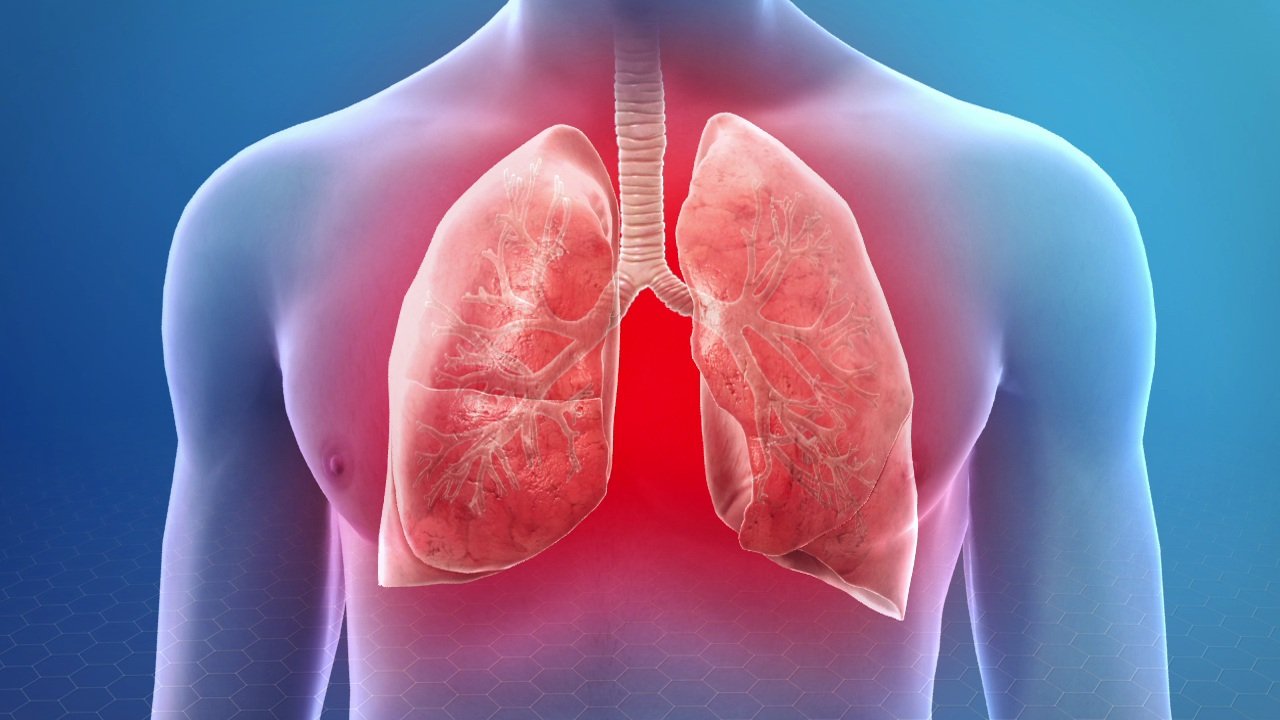
Pneumonia is a lung infection that causes the air sacs to fill with fluid or pus, making it difficult for the body to absorb oxygen. It commonly leads to symptoms such as fever, cough with phlegm, chest pain, weakness, and difficulty breathing. Pneumonia can affect anyone, but it is especially serious in older adults, young children, and individuals with weak immunity.
Early diagnosis, rest, fluids, and proper monitoring are essential to prevent severe breathing problems or hospitalization. With timely medical care, medication adherence, and follow-up, most patients recover well and regain full respiratory strength. Preventive measures such as vaccinations, good hygiene, and avoiding smoking can further reduce the risk of future infections.

 +91 97275 79000
 +91 85110 95623
 vipul.patel180@gmail.com
 24 * 7 Hours