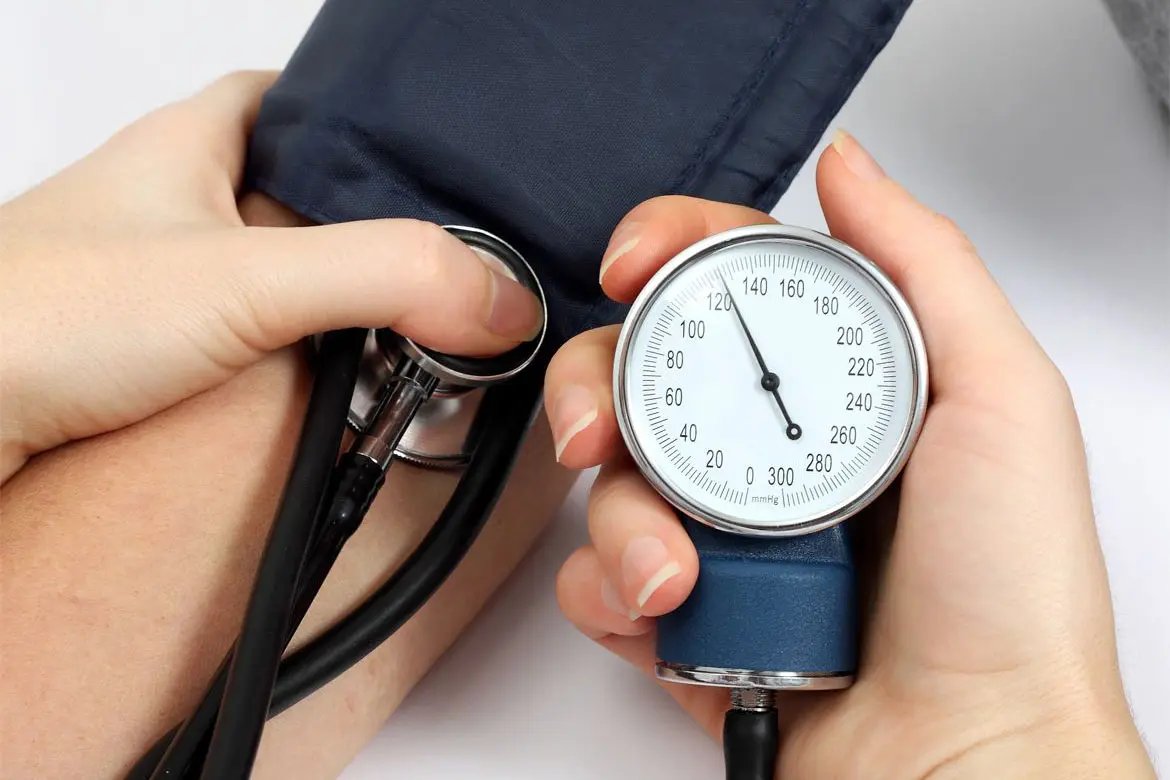
High blood pressure (hypertension) occurs when the force of blood against the artery walls stays consistently high. Over time, it puts extra strain on the heart, blood vessels, kidneys, and brain. Many people do not notice symptoms, but some may experience headaches, dizziness, chest discomfort, or shortness of breath.
If left untreated, high blood pressure can lead to serious complications such as heart attack, stroke, kidney damage, or vision problems. Regular monitoring, lifestyle changes, and the right medications can help control BP and reduce long-term risks. With timely checkups and daily management, patients can maintain a healthy, stable life.
Low blood pressure (hypotension) occurs when the blood flow to organs such as the brain, heart, and kidneys becomes insufficient, leading to dizziness, weakness, blurred vision, fainting, or fatigue. It may happen due to dehydration, infections, blood loss, heart problems, or certain medications.
Timely evaluation, hydration, electrolyte balance, and proper medical treatment help restore stable blood pressure and prevent complications. Identifying the underlying cause—whether it’s anemia, infection, hormonal issues, or cardiac conditions—is essential for long-term control. With regular monitoring and lifestyle adjustments, most patients can maintain healthy BP levels and avoid recurrent episodes.


 +91 97275 79000
 +91 85110 95623
 vipul.patel180@gmail.com
 24 * 7 Hours